

During the nine months of pregnancy cholesterol generally tends to rise with your trimesters, but it is not a life threatening situation. High cholesterol during pregnancy is quite common and is often left untreated as cholesterol has certain other important jobs as well. Cholesterol helps in making the hormones progesterone and estrogen and it’s needless to say that they are the most important hormones throughout the pregnancy.
Both estrogen and progesterone are responsible for preparing the uterus by thickening the uterine walls for the benefit of your baby. Progesterone especially helps the placenta to function properly throughout the pregnancy. Also, cholesterol plays a major part in brain development of your growing baby. That’s why medicines are not advisable in most of the cases.
What Is High Cholesterol During Pregnancy?
The recommended reference ranges for cholesterol levels during pregnancy vary across trimesters. Levels above these ranges are considered high cholesterol levels during pregnancy (1).
For the 1st trimester
- Total Cholesterol (TC): 141–210 mg/dl
- Triglycerides (TG): 40–159 mg/dl
- High-Density Lipoprotein Cholesterol (HDL-C): 40–78 mg/dl
- Low-Density Lipoprotein Cholesterol (LDL-C): 60–153 mg/dl
During the 2nd trimester
- TC: 176–299 mg/dl
- TG: 70–382 mg/dl
- HDL-C: 52–87 mg/dl
- LDL-C: 77–184 mg/dl
And for the 3rd trimester
- TC: 219–349 mg/dl
- TG: 131–453 mg/dl
- HDL-C: 48–87 mg/dl
- LDL-C: 101–224 mg/dl
These reference ranges help healthcare providers monitor cholesterol levels during pregnancy to ensure the health of both the mother and the baby.
Is High Cholesterol During Pregnancy Normal?
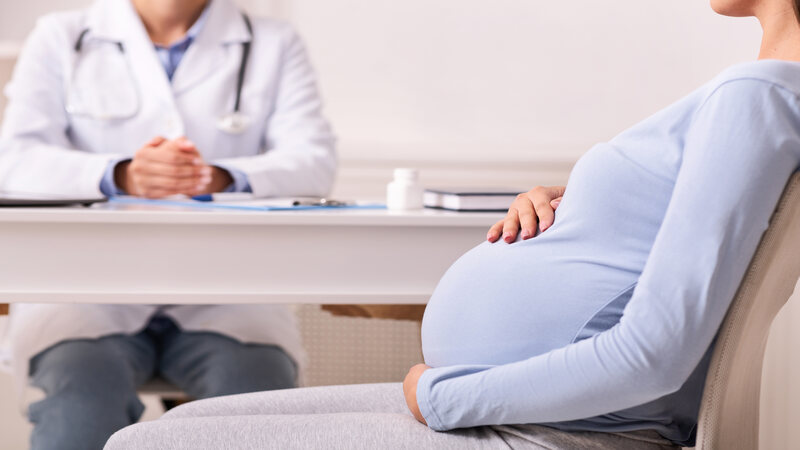
As a matter of fact, it is. As the baby starts developing, they also begin to develop their own amount of cholesterol and thus increasing the total amount of cholesterol inside the mother’s body. Moreover, raised cholesterol levels return to normal in about four to five weeks after pregnancy.
Is High Cholesterol Dangerous In Pregnancy?
Though high cholesterol is not a cause for concern during pregnancy, if left uncontrolled, it may increase the risk of pregnancy-induced hypertension and even preterm birth. Hypertension during pregnancy resulting in pre-eclampsia can be a life threatening situation which, when not treated on time can give rise to seizures which is a dangerous situation for both mother and baby.
Increased cholesterol levels can also be dangerous for women who have Familial Hypercholesterolemia (FH), FH is a genetic disorder caused by a defect on chromosome 19, in this condition the body is unable to remove LDL (bad cholesterol) from the blood. Due to Familial Hypercholesterolemia their baseline cholesterol level is much higher and being pregnant contributes to a more increased amount.
Symptoms Of High Cholesterol During Pregnancy
Nothing in particular will be noticeable, and your life will run smoothly. However, if the levels go beyond the maximum limits and stay the same for a long time, you can be at a risk of some serious complications like a heart attack, or a stroke. This can happen when the cholesterol builds up in your arteries.
How Is High Cholesterol Detected During Pregnancy?
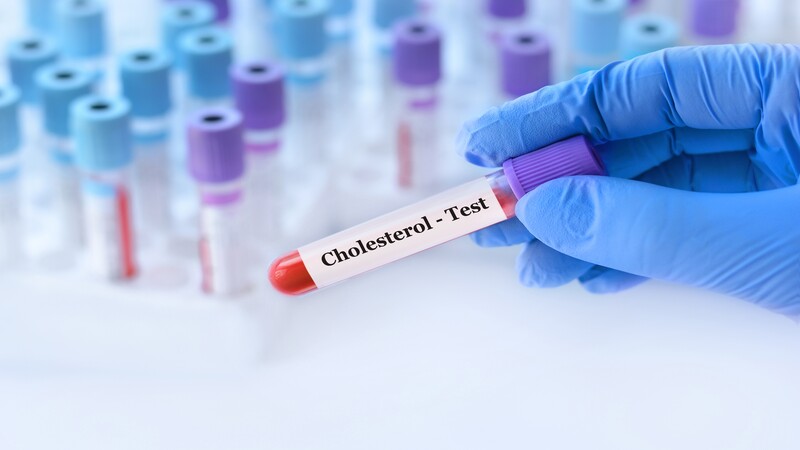
During pregnancy, high cholesterol levels can be detected through routine blood tests. Typically, your healthcare provider will order a lipid profile test, which measures various types of cholesterol in your blood, including total cholesterol, low-density lipoprotein (LDL) cholesterol (often referred to as “bad” cholesterol), high-density lipoprotein (HDL) cholesterol (often referred to as “good” cholesterol), and triglycerides.
These tests are usually performed as part of routine prenatal care, especially if you have risk factors for high cholesterol such as obesity, a family history of high cholesterol or heart disease, or certain medical conditions like diabetes or hypertension. If your lipid profile shows elevated cholesterol levels, your healthcare provider may recommend lifestyle changes, dietary modifications, or medications to help manage your cholesterol levels and reduce the risk of complications during pregnancy.
Treating High Cholesterol Levels In Pregnancy
Since cholesterol during pregnancy is required to carry some additional important work, medications to control the same are not generally recommended (2). Diet changes and exercise routines are generally adopted to control cholesterol during pregnancy.
Switching to a healthy, well balanced diet steering clear of fried and fatty foods are the best adopted treatments (3). However, if your cholesterol levels are found to be high post the baby’s birth, medications may be prescribed and you will be advised to avoid foods that are high in saturated fats (4).
Top 8 Ways To Control Cholesterol During Pregnancy

Below are very simple and efficient ways that will help to control high level of cholesterol during pregnancy (3,4):
1. Keep Yourself Hydrated
\Keeping yourself well-hydrated with water all through the day is one of the best ways to keep your energy levels up and cholesterol levels down. Dehydration can make your body acidic, and thus increase the levels of LDL cholesterol. Religious intake of water will help to eliminate the toxins from your body and thus cleanse it. This will result in lower levels of cholesterol since the waste goes out from the body. However, make sure you have water and other healthy, hydrating drinks, and avoid caffeinated drinks such as coffee and soft drinks which can increase your triglycerides
2. Eat healthy
Eat healthy and watch what you are eating. It’s understandable that you will have some craving for food containing high fat, but it’s important to plan your diet, which is rich in fruits, vegetables and high in fiber. Fruits and vegetables are rich in soluble fiber, which can act like a sponge to absorb cholesterol that is being cleared out by your liver and thus helping the body to eliminate cholesterol. Whole grains are another excellent food to lower high cholesterol as they contain soluble fiber. Foods containing psyllium are also rich in soluble fiber (5).
3. Take the nut route
Nuts such as walnuts, almonds and peanuts are rich in healthy unsaturated fats which can help you to control your cholesterol levels in a healthy way. Among all types of nuts, walnuts can be a very good option for snacks as along with unsaturated fats, they are good sources of Omega-3 fatty acids which aid your baby’s brain development (6). However, nuts are full of calories, so try having just a handful of the same and do not go overboard!
4. Stay active physically
Regular mild and safe exercise can be beneficial in controlling your cholesterol level as it is helpful in raising HDL cholesterol, famous as good cholesterol. A brisk walk is the most recommendable exercise for pregnant women. You can also aim for small activities like 5 or 10 minutes’ walk during the daytime. Staying active throughout your pregnancy will play a vital role in combating high cholesterol levels in pregnancy (7).
5. Stay away from stress
Feeling stressed is quite common in pregnancy, but being constantly in stress can have serious effects on you and your baby. Our body produces more energy due to stress, which in turn affects the liver and it starts producing and secreting an increased amount of cholesterol particularly Bad LDL cholesterol. So try to stay happy and positive throughout your pregnancy as your baby can also feel the emotions which you go through in day to day life.
6. Quit Smoking
Smoking decreases HDL cholesterol levels and increases the risk of heart disease. Quitting smoking can improve cholesterol levels and overall health.
7. Manage Familial Hypercholesterolemia (FH)
If diagnosed with FH, work closely with healthcare providers to develop a treatment plan, which may include medication to lower LDL cholesterol levels.
8. Limit Added Sugars
Minimize consumption of foods and beverages high in added sugars, as excessive sugar intake can contribute to high cholesterol levels.
In a nutshell, we have suggested eight strategies to lower your cholesterol levels. They center around adopting healthy eating habits, knowing properly what could truly be harmful, exercising regularly and by staying stress free throughout during pregnancy. Being pregnant is a joyful and exhilarating experience and we hope you enjoy it without any worries.
How Will My High Cholesterol Affect My Baby?
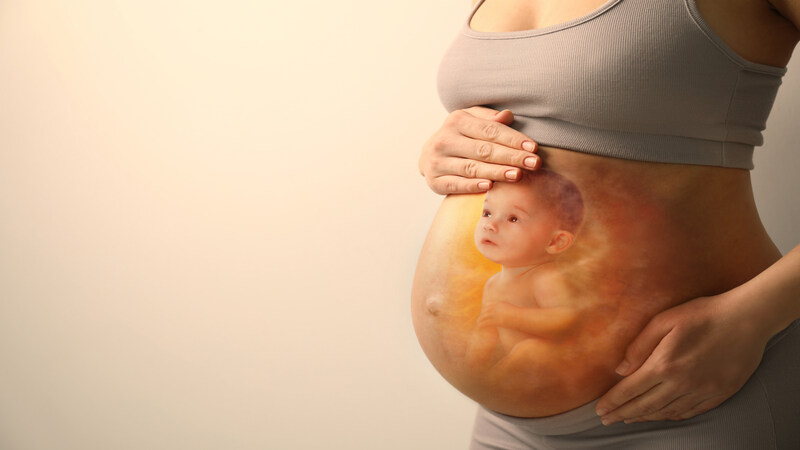
Having high cholesterol during pregnancy does not significantly increase the chance of miscarriage or birth defects beyond the normal background risk. However, related factors like diabetes and obesity may slightly raise the risk of these complications (3). Additionally, the impact of high cholesterol on other pregnancy-related problems, such as gestational diabetes or preterm delivery, is still unclear and requires further study.
Regarding future behavior or learning issues for the child, there is currently insufficient evidence to suggest a direct link between high cholesterol during pregnancy and these outcomes. However, factors like diabetes and obesity, which often coexist with high cholesterol, may increase the risk of behavior or learning issues in the child.
FAQ’s
1. How Can I Lower My Cholesterol During Pregnancy?
During pregnancy, prioritize hydration and a diet rich in fruits, vegetables, and fiber to reduce cholesterol. Incorporate nuts like walnuts and almonds for healthy fats, and stay physically active with brisk walking. Additionally, managing stress is important to prevent an increase in bad cholesterol levels.
2. Is It Normal To Have High Cholesterol While Pregnant?
NO, High cholesterol during pregnancy isn’t usual, but it can happen due to hormonal changes. Although pregnancy can affect cholesterol levels, consistently high levels may suggest underlying health concerns. It’s important to monitor cholesterol and seek advice from a healthcare provider if levels stay high. They can help manage cholesterol and ensure the well-being of both mother and baby.
3. What Are 3 Best Foods For Lowering Cholesterol?
During pregnancy, focus on including heart-healthy foods like oats and whole grains, fatty fish, and nuts in your diet. These foods provide essential nutrients and support overall health, potentially contributing to healthy cholesterol levels. Always consult with your healthcare provider for personalized dietary recommendations during pregnancy.
4. How Common Is High Cholesterol During Pregnancy?
During pregnancy, it’s normal for cholesterol and triglyceride levels to increase naturally. These higher levels are essential for the baby’s growth and development. Additionally, cholesterol is necessary for producing hormones like estrogen and progesterone, which are vital for pregnancy.
References
- Wang, C., Kong, L., Yang, Y. et al. Recommended reference values for serum lipids during early and middle pregnancy: a retrospective study from China. Lipids Health Dis 17, 246 (2018) – https://lipidworld.biomedcentral.com/articles/
- Pregnancy and blood fats – https://www.heartuk.org.uk/cholesterol/pregnancy-and-blood-fats
- Mother To Baby | Fact Sheets [Internet]. Brentwood (TN): Organization of Teratology Information Specialists (OTIS); 1994-. High Cholesterol. 2022 – https://www.ncbi.nlm.nih.gov/books/NBK582749/
- Bartels Ä, O’Donoghue K. Cholesterol in pregnancy: a review of knowns and unknowns. Obstet Med. 2011 Dec – https://www.ncbi.nlm.nih.gov/pmc/articles/PMC4989641/
- Cholesterol – healthy eating tips – https://www.betterhealth.vic.gov.au/health/
- 8 Cholesterol-Lowering Foods To Try – https://health.clevelandclinic.org/foods-that-lower-cholesterol
- Does Exercise Lower Cholesterol? – https://health.clevelandclinic.org/does-exercise-lower-cholesterol
